(2023) Carrying Capacity through the Case Law of the Council of State

Konstantinos Karatsolis, Lawyer, PhD Candidate

Study and Documentation Team: Ioanna Vasilopoulou, Lawyer, LLM Athina Michalakea, Lawyer, LLM, PhD Candidate Ifigenia Tsakalogianni, Lawyer, LLM, MSc

I. Foreword

The aim of this study is to highlight the elements which, according to the Council of State (from 1992 onwards), constitute critical magnitudes for determining Carrying Capacity (hereinafter CC), and which could be recorded as basic parameters for its assessment, on the basis of the directions of the Supreme Court of Annulment. We consider the choice of sample to be of exceptional importance for the soundness of the conclusions presented.

II. The assessment of CC according to the Council of State

First, by virtue of the study and codification of the decisions and Preparatory Opinions of the CoS, and the recording of references to the assessment of CC, the conclusion emerges that the above can be systematically entered into certain categories, from which criteria and data can be drawn for creating specifications and criteria for assessing CC:

A.1. Settlements and Settlement Expansions

A large number of CoS decisions refer to CC as an element for assessing the satisfaction of residential needs, which are either absorbed by existing settlements or served by expanding settlement boundaries or creating new ones.

Systematic analysis shows that, in this case, the following must be examined:

(a) the capacity of existing settlements to absorb residential pressures (PE CoS 196/2021, CoS 164/2022), for which the following are taken as elements for assessing CC, according to the CoS:

  • the population burden
  • the criteria relating to new residential receptors provided for by urban/spatial plans (e.g. GUP)
  • the road network
  • the capacity of the water supply network to serve the expected population and new settlements, without overexploitation of water resources.

(b) the protection of “cultural capital”, for which the element taken, according to the CoS, for assessing CC is the non-alteration of the urban character of the residential area (indicatively, CoS 585/2014), and

(c) the non-exceedance of the natural capacity of the residential area, for which the elements taken as assessment criteria for CC are:

  • the protection of natural resources, and
  • the capacity of technical and social infrastructure (indicatively, CoS 1037/22).

A.2 Specifications for the island ecosystem

Specifically for small islands, it is settled case law of the CoS that they are capable of accommodating only forms of gentle development, compatible with their sensitive character. In other words, the fundamental rule of sustainable development requires rational spatial and urban planning, and applies all the more so to the protection of sensitive ecosystems such as small islands (CoS 3920/2010, CoS 387/2014). Accordingly, the carrying capacity of small islands is a magnitude that must be assessed with particular care in the studies to be prepared.

From the case law of the CoS it can be seen that, for calculating the CC of small islands, the assessment factors are: (a) the multiple uses of the indigenous resources of small islands, and (b) the protection and maintenance of their biodiversity.

In addition, CC may be assessed, indicatively, according to the CoS, in the following ways:

  • Determination of CC in long-term and medium-term sustainable development plans, with particular emphasis on: (a) revising unsustainable practices, (b) promoting environmentally sound technology, and (c) excluding technologies that pose a threat to their ecosystem (indicatively, PE CoS 216/1999, PE CoS 355/1999).
  • Calculation of the measure for maintaining biodiversity for each island and development of new technologies for this purpose (indicatively, PE CoS 359/1999, PE CoS 432/2001).
  • preparation of a special “capacity” study (i.e. the special spatial planning tool provided for by the South Aegean Regional Framework in this specific case, see CoS 1037/2022).

Finally, it has been held that a key factor for determining the limits of CC on small islands is their energy system (see CoS 1421/2013, CoS 1422/2013).

B.1. Approaches to CC in other/specific sectors of activity

In researching decisions and Preparatory Opinions of the CoS, it was found that the assessment of CC is considered a necessary element for the approval of Special Spatial Development Plans for Strategic Investments (ESCHASE) and Special Spatial Development Plans for Public Properties (ESCHADA), but also for the approval of the creation of waste-management receivers (OEDA – Integrated Waste Disposal Facility), Integrated Aquaculture Development Areas (POAY), and RES installations. Indeed, the case law of the CoS appears to assess the element of CC differently for the installation of RES on small islands compared to their installation on the mainland.

B.2. Cumulative effects of activities – Synergistic effect

In the majority of decisions of the CoS concerning industrial activities, waste management facilities, transport projects, or production activities, it was held that, in assessing CC, the impacts that any new installation might have must also be examined, given the cumulation with existing uses and installations of the same uses. In addition, the CoS has repeatedly noted that, for assessing CC for waste management units (OEDA), industries, livestock farming units, and migration reception facilities, account must be taken of the cumulative impacts on the natural and human-made environment from the parallel operation of such units, focusing on the cumulative effect of corresponding nuisances of different types in the area concerned[1]. Similarly, the potential cumulative harmful effect of similar installations[2] from the simultaneous operation of installations[3] has been noted.

III. The place of the definition of CC in rational planning and its field of spatial analysis

Carrying capacity is an element and criterion that must be included, among other things, in spatial and urban planning[4].

CC is a dynamic tool, assessed at different levels of spatial planning and spatial unit, depending on various factors, such as the type of intervention concerned, the conditions of the area concerned, the particular local, natural, cultural, and urban planning characteristics, etc.

As a rule, however, point-by-point and fragmented siting of projects and activities must be avoided, since this is contrary to the carrying capacity of the area[5].

IV. Conclusions of a theoretical nature

  • The elements taken into account for calculating sustainable development should also be taken into account for calculating CC, since, often in the case law of the CoS, these two concepts coincide[6].
  • Sustainable residential development consists primarily in the revitalisation of the country’s settlements that are declining or being abandoned, towards which development activity should be directed[7].
  • CC is also combined with non-quantitative criteria, such as the character of islands as traditional human systems and the status of areas as sensitive ecosystems. The magnitude of CC must therefore also be examined from this perspective. In particular, special care must be taken to preserve the character of small islands and their island human-made and natural environment and landscape[8].
  • The calculation and assessment of CC constitute a basic criterion for the rational control of land uses[9].
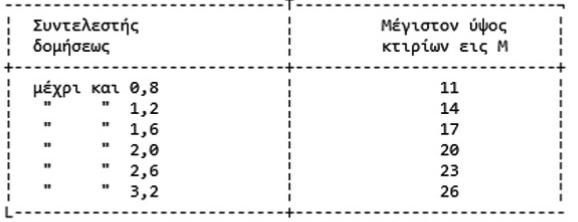
  • Changes or increases in urban planning parameters (e.g. an increase in the building ratio) affect CC and must therefore take it into account[10].
  • CC concerns a broad field of activities, including, among others: tourism, energy, the primary sector, aquaculture (POAY), industry, etc.

The majority of decisions converge on the view that CC is an urban planning criterion, which is taken into account in spatial and urban planning.

First published:

ECOPRESS: https://ecopress.gr/i-ferousa-ikanotita-mesa-apo-ti-nomolo/

APE-MPE: https://www.amna.gr/home/article/747799/Ferousa-Ikanotita-Apo-tin-uperdomisi-ton-nision-kai-ti-spatali-fusikon-poron-sti-biosimi-anaptuxi


[1] CoS 902/2011, 1531/2014

[2] 380/2014, 1973/2017, 1678/22.

[3] CoS 273/2019

[4] Indicatively, PE CoS 246/1992, 140/2002, 114/2010, 199/2010, 178/2019.

[5] PE CoS 194/2011.

[6] Indicatively, PE CoS 210/2002, 388/2003, 87/2020.

[7] PE CoS 527/2001, 535/2002.

[8] PE CoS 210/2002, 87/2020.

[9] PE CoS 120/2002, 159/2002.

[10] PE CoS 601/2002.

“Observations on Council of State Decision No. 2564/2022 – Dismissal of the application for annulment of the Presidential Decree entitled: ‘Special Spatial Development Plan for Strategic Investments (ESCHASE): the institutional framework for Strategic Investments, the guarantees for the protection of the natural environment, and compatibility with urban planning’,” published in the legal journal “Environment and Law” (“Periballon kai Dikaio”).

Summary: Application for annulment against a Presidential Decree approving a Special Spatial Development Plan for a Strategic Investment on the island of Mykonos. Article 24 of the Constitution. Sensitive island ecosystems constitute a significant element of the natural environment, requiring gentle management and respect for their Carrying Capacity. The institutional framework for Strategic Investments, through the Strategic Environmental Impact Study (SEIS) prepared at the stage of the ESCHASE and the public consultation thereon, ensures, as a first stage of planning, the protection of the environment. Derogations from the provisions of the Residential Control Zone (ZOE) may be permitted, subject to conditions. The Mykonos ZOE is outdated given the considerable time that has elapsed and the introduction of more recent urban planning legislation. The planning criteria and environmental impacts, together with the entirety of the relevant elements of the institutional and regulatory framework, were assessed through a reasoned judgment by the Administration. The application is dismissed.

The subject matter of this judicial dispute was the application for annulment filed by the Municipality of Mykonos against the Presidential Decree approving a Special Spatial Development Plan for a Strategic Investment (ESCHASE) under Article 24 of Law 3894/2010 (at the time of approval of the contested ESCHASE, now Article 7 of Law 4864/2021), entitled “Tourism Development on Mykonos” at the “Karapetis” site in the Municipal Community of Ano Mera, Municipality of Mykonos, South Aegean Region (Official Gazette D’/304/10.06.2020). The Supreme Administrative Court confirmed the potentially viable character of ESCHASE plans as tools for implementing investments while simultaneously protecting the environment, subject to conditions, in areas with particular urban planning or environmental characteristics, such as the island of Mykonos, dismissing the Municipality of Mykonos’s application for annulment.

In summary, the investment proposal in question involved the creation of a flagship 5-star hotel unit, which would be fully harmonised with the particular natural and human-made characteristics of Mykonos, together with ancillary facilities (sports areas, wellness centre, etc.) and a proposal for the siting of a marina for pleasure craft. Following the classification of this investment proposal under the Strategic Investments regime by Decision No. 38/8.05.2019 of the Inter-Ministerial Committee for Strategic Investments (DESE) (Official Gazette B’ 1624), there followed the public consultation process on the Strategic Environmental Impact Study (SEIS) of the proposed plan underlying the contested ESCHASE, and subsequently the recommendation of the Central Council for the Management of Public Property (KSDADP) to the competent Ministers for the issuance of the Presidential Decree approving the ESCHASE.

Following the processing of the draft Presidential Decree by the Council of State[1] and the incorporation of the relevant amendments and corrections, the Decree was published in the Government Gazette (Official Gazette D’/304/10-06-2020). By means of the Presidential Decree: (a) the ESCHASE in question was approved; (b) the spatial designation of the property to be developed through the ESCHASE was regulated, and land uses and building terms were determined; (c) the boundary lines of the watercourse running through part of the property were certified; (d) the Strategic Environmental Impact Study (SEIS) prepared for the ESCHASE was approved; and (e) terms, restrictions, and guidelines for the protection of the natural and cultural environment within and near the investment site were established. The Municipality of Mykonos subsequently filed an application for annulment against this Presidential Decree, with the investment’s sponsor intervening in support of maintaining its validity.

In its decision on the application for annulment, which was ultimately dismissed, the Council of State proceeded to carry out an extensive analysis of the legal framework governing Strategic Investments, the siting procedure through ESCHASE plans, and the legislation on organised hosts of tourism activities under Law 4179/2013, as contrasted with the unplanned, scattered creation of tourism facilities[2], and reiterated its consistent position regarding the protection of the sensitive ecosystems of small islands[3]. Ultimately, the Plenary of the Council of State developed the reasoning that, through ESCHASE plans and under strict conditions, the planning and implementation of investments serving a dual purpose is permissible: on the one hand, upgrading and showcasing the tourism product, and on the other, ensuring environmental protection.

Furthermore, the fundamental rule of sustainable development, as enshrined in Articles 24 and 106 of the Constitution, does not preclude investment activity in areas with a particular environmental and cultural identity. On the contrary, it requires rational spatial and urban planning, all the more so for the protection of sensitive ecosystems such as small islands – which are ecosystems vulnerable to external interventions and capable of accommodating only gentle development (residential, tourism, and economic generally), based on spatial plans, which must respect the natural and human-made environment, the particular character, and the “Carrying Capacity” of each island[4].

The reasoning on the application for annulment, which was referred for examination by the Plenary of the Court due to its importance, was structured around two main axes: first, particular emphasis was placed on the function of ESCHASE plans as special urban planning tools for the siting of activities while at the same time ensuring environmental protection; and second, the compatibility of the contested plan with spatial and urban planning was examined, as was the possibility of establishing exceptional derogations from the existing framework through the ESCHASE.

  1. ESCHASE plans as tools of sustainable investment identity

In the decision under review, the Supreme Administrative Court ruled on the legality of the Presidential Decree approving the ESCHASE under the provisions of Law 3894/2010, as in force at the time of its issuance, and of its environmental terms, thereby confirming the institutional framework of the Special Spatial Development Plan for Strategic Investments (ESCHASE) and its significance for rational urban planning. At the outset, in its reasoning the Council of State noted the definition of Strategic Investments under Law 3894/2010, of which ESCHASE plans constitute a tool[5], which provides that “Strategic investments are productive investments that produce quantitative and qualitative results of significant scale for the overall national economy and promote the country’s exit from the economic crisis, and relate in particular to the construction… modernisation of existing infrastructure, installations, and networks,” among other things in the tourism sector, provided that they additionally meet conditions for strengthening the national economy, protecting the environment, and saving energy. The Court then confirmed the institutional framework of the special urban planning tool of ESCHASE plans, noting the following points in contrast to the framework governing scattered out-of-plan construction:

  • The approval of an ESCHASE achieves the planning of private properties that will host investment activities of strategic importance and scale, after the qualitative and quantitative characteristics of the proposed investment for the relevant property have first been assessed[6].
  • ESCHASE plans constitute, by law, organised hosts of tourism activities[7] and, as urban planning tools, satisfy the objective of spatial planning frameworks (General, Special, and Regional) for the organised establishment of productive and business activities within areas that have been the subject of planning, instead of the unplanned, fragmented, and therefore scattered out-of-plan establishment of such activities, in this case tourism activities.
  • These plans set out the general regulations for the urban planning of the properties to be developed, and these regulations form the basis for the subsequent implementation of the investment plans.
  • Through the Strategic Environmental Impact Assessment procedure required by law for the proposed plan, the environmental approval of ESCHASE plans is achieved by incorporating into them criteria for the protection of the environment in the area of the investment, which are binding for the subsequent environmental permitting of the individual projects to be implemented within the property.

Subsequently, after analysing their approval procedure, the Council of State concluded that ESCHASE plans, being placed at the urban planning stage of spatial planning at the same level as Local Urban Plans[8] (LUP), constitute:

  • urban planning aimed at achieving a development objective; (b) the product of systematic scientific documentation, achieved through the preparation of an SEIS and through the public consultation process with the competent bodies and the general public[9].

Moreover, as is well known from the applicable legislation, the approval of an ESCHASE constitutes the first stage of planning for the private property to be developed, during which the property is assigned an investment identity through its classification under one of the general categories of land use[10]. It therefore constitutes “preliminary planning” of a project aimed at the sustainable development of the proposed land use, and forms the basis for the other administrative acts concerning the individual projects to be sited within the property.

In summary, the Council of State arrived at the conclusion – in our view entirely correct – that the institutional framework for Strategic Investments, through the SEIS prepared within the framework of the ESCHASE and the extensive public consultation that follows, ensures, already from this first stage of planning, that the environment of the investment area is not adversely affected and is, in general, protected, and for this very reason takes precedence over the framework of out-of-plan construction and the creation of hotel units through the procedure of Standard Environmental Commitments (SEC)[11] – a procedure that does not require a corresponding environmental study or public consultation. It therefore held that the investment plan to create an integrated, high-quality, and aesthetically designed tourism complex, fully harmonised with the particular natural and human-made characteristics of Mykonos, planned on terms of gentle development, as promoted through the urban planning tool of the ESCHASE and approved by Presidential Decree, constitutes organised urban planning based on a controlled construction framework, and is therefore compatible with the constitutional requirement of Article 24.

  • The compatibility of spatial development and urban planning organisation – the Spatial Planning Frameworks

As regards the ground for annulment of the contested Presidential Decree on the basis that it conflicted with the directions of the Regional Spatial Planning and Sustainable Development Framework (RSPSDF) for the South Aegean (Official Gazette B’/1487/10.10.2003)[12], the Court held that the siting plan for the tourism complex in the broader area of interest was adequate, since it took into account the directions and proposals of the Regional Framework, as well as the provisions of the subsequent Residential Control Zone (ZOE)[13] – which, in turn, when drawn up, took into account the tourism-related directions of the Framework[14] – and that the area was, in principle, suitable for the development of tourism activities. Moreover, in support of the adequacy of the spatial planning directions, the reasoning noted that the project’s design followed the directions of the Special Spatial Planning Framework for Tourism, despite its annulment by the Council of State[15], as well as the study being prepared for the “new” RSPSDF for the South Aegean.

Furthermore, regarding the argument that the applicable RSPSDF for the South Aegean promoted the restriction of new hotel establishments, the Court clarified that this objective concerned individual out-of-plan tourism activities and not organised hosts of tourism activities, which are implemented through an “organised development mechanism,” as in the present case with the ESCHASE in question.

Moreover, as the Council of State has repeatedly held[16] and as it reiterated in the decision under review, the outdated nature of a spatial planning framework, or any delay by the Administration in drawing up a new one – as in the case of the new Special Spatial Planning Framework for Tourism, which remains pending – does not entail an inability to develop tourism activity in the country; on the contrary, such development must be carried out on the basis of the provisions that may exist in current Regional Spatial Planning Frameworks, as well as in plans at a lower hierarchical level, which include the Mykonos ZOE.

  1. The permissibility, in principle, through ESCHASE plans, of establishing derogations from urban planning – the amendments to the Mykonos ZOE

A particularly important finding of the Supreme Court of Annulment concerned the fact that the spatial and urban planning was not overturned by the ESCHASE tool, and, ultimately, the permissibility, in principle, of amending applicable provisions through this tool. Specifically, in light of the special and exclusive legislative regime applicable to ESCHASE plans, pursuant to the express provision of paragraph 4 of Article 12 of Law 3986/2011, as applied by analogy to ESCHASE plans under paragraph 2 of Article 24 of Law 3894/2010, an ESCHASE may achieve the amendment of approved Special Urban Plans (SUP), Local Urban Plans (LUP), General Urban Plans (GUP), Open City Spatial and Residential Organisation Plans (SCOOAP), Residential Control Zones (as here, the Mykonos ZOE), and other land use plans, provided that such amendment becomes necessary for the integrated development of the investment – particularly in cases where the existing regulations and directions are unclear or derive from outdated spatial and urban plans[17].

Supplementing this legislative provision with the example of the ESCHASE under examination, for which more specific details were provided that differed to some extent from those of the Mykonos ZOE[18], the Court emphasised that both the institutional framework of ESCHASE plans (Law 3894/10 and, by analogy, Law 3986/11) and Law 4447/2016 – under which ESCHASE plans constitute Special Urban Plans (subparagraph (c) of paragraph 7 of Article 8), to which their own institutional framework applies exclusively (subparagraph (e) of the same paragraph), and which are hierarchically placed at the same planning level as Local Urban Plans (LUP, subparagraph (d) of paragraph 1 of Article 8) – together constitute a special regime, which permits the amendment of existing LUP (GUP and SCOOAP) in the area of each investment, as well as of existing ZOE, provided that this is judged necessary for the effective realisation of the investment. This, however, is subject to the condition, according to the Council of State, that in establishing the planned amendments the broader “directions” of the Plans and ZOE are taken into account[19], so that the following are not undermined: (a) the spatial planning of the investment area; (b) the general proposal for urban planning organisation that may have been established by the urban plans in force for the area; and (c) the restrictive measures, whether urban planning or otherwise, on residential pressures based on the ZOE. The Court therefore considers, in principle, that the establishment of derogations from existing urban planning through the urban planning tool of ESCHASE plans is permissible, provided that the planning is not substantially overturned as regards its directions and purpose – elements which constitute the “limit” for determining whether a given proposed derogation exceeds what is permissible.

On this point, more specifically, the Plenary of the Court expressly held that the provisions of the Mykonos ZOE were outdated, since they had neither been assessed nor amended since 2005 (the year of its enactment), particularly given that the basic provisions of the ZOE were not amended even by the subsequent Presidential Decree of 08.02.2012[20]. At the same time, changes had since occurred in spatial and urban planning legislation (Law 4447/16 and Law 4067/2012 – the New Building Regulation) and in tourism legislation, with the introduction of the concept of organised hosts and the tool of ESCHASE plans – elements which, due to their enactment subsequent to the ZOE and their more modern character, rendered its provisions susceptible to amendment, and therefore permitted the differentiations promoted through the ESCHASE. On this reasoning, and on the finding that this was a gentle form of development which otherwise complied with the terms of the Mykonos ZOE, the Court held that the requested derogations were, in principle, justified, and in particular held as acceptable the requested derogation from the Mykonos ZOE regarding the numerical increase of beds from 150 (the maximum limit set by the ZOE) to 192 beds, the determination of the starting point for measuring building height from the formed ground level rather than the natural ground level, and the construction of underground water tanks in buildings regardless of the number of floors (the ZOE provided for the possibility of underground water tanks only in two-storey residential buildings) – the Court even accepting the documentation in the SEIS to the effect that the chosen scenario constituted a proposal for “spatial organisation more favourable than the existing situation for the residential, natural, and cultural environment”[21].

It should be noted that the derogations from the terms of the ZOE had already been assessed by the competent service (Directorate of Urban Planning, Ministry of Environment and Energy) during the stage of opinions on the SEIS as being sufficiently documented “within the framework of the integrated development sought on the basis of organised planning through the ESCHASE,” on the one hand, and as compatible with “the contemporary building, morphological, and environmental needs taken into account by the New Building Regulation as a more recent and modern building tool compared to the ZOE,” and that they “constitute gentle tourism development that respects the environment and the character of the area”[22] – findings which were confirmed by the Central Council for the Management of Public Property[23].

  1. The assessment of the saturation of the island’s Carrying Capacity and the significance of the Strategic Environmental Impact Assessment

Continuing the Court’s previous reasoning, in order to satisfy the legislative requirement that derogations be permissible only on condition that the existing planning is not entirely overturned, the most important role, according to the Council of State, is ultimately played by the Strategic Environmental Impact Assessment procedure, through the preparation of the SEIS and its submission to public consultation – so that the urban planning pursued through ESCHASE plans constitutes the product of full and systematic scientific demonstration of its correctness and/or necessity, and of an extensive and reasoned approval by the competent Administrative Services.

In this context, it is held that the SEIS contains an overall approach to the environmental impacts of the investment plan, which are assessed on the basis of, among other things, the non-deterioration of living conditions and the non-exceedance of the Carrying Capacity of the area receiving the plan. The case law does not provide an immediate definition of carrying capacity; nevertheless, it is repeatedly referred to in numerous decisions in connection with sustainable development (residential, tourism, and economic generally), with which it is placed in a relationship of interaction and interdependence. Specifically, for vulnerable island ecosystems, the investment study must be guided by the rule of “gentle development.” In other words, the fundamental rule of sustainable development requires rational spatial and urban planning and applies all the more so to the protection of sensitive ecosystems such as small islands[24] – a rule from which organised hosts of tourism activities are not exempt.

In this case, the Council of State noted that the planning criteria of the SEIS were assessed by the Administration in conjunction with all the relevant elements of the institutional and regulatory framework (concerning water protection, waste management, etc.) and the favourable opinions of the relevant competent services, leading to the determination of the environmental terms and directions deemed necessary, which would subsequently be specified in greater detail upon the issuance of the other administrative acts at the next stage of implementation of the investment plan (approval of the siting of the investment plan under Article 13 of Law 3986/2011, etc.)[25].

Indeed, through the SEIS, alternative scenarios for spatial development and organisation were examined and assessed on the basis of fiscal benefit, development prospects, and the social impacts of the investment, with a simultaneous and parallel assessment of their urban planning compatibility and environmental impacts – ultimately, the most environmentally favourable scenario was selected. Proceeding to examine the individual derogations from the provisions of the ZOE, the Council of State held that, taken as a whole, they had been documented through the relevant ESCHASE studies on the basis of the property’s specific morphological and environmental characteristics, contemporary building needs, and the particular requirements of this specific tourism unit – and indeed, this documentation was assessed by the Administration as to its nature, scope, and significance, and was ultimately approved as not overturning the planning of the ZOE, being based on an “absolutely controlled construction framework” and constituting gentle tourism development that respects the environment and the character of the area receiving the plan.

Specifically with regard to the Carrying Capacity of the area, it was first made clear that there was no indication that the Carrying Capacity of the South Aegean area had been exhausted[26], nor that tourism development was mandatorily restricted or in any way prohibited by the existing spatial planning. Moreover, the SEIS of the contested Presidential Decree had scientifically assessed the Carrying Capacity of Mykonos in terms of human pressures and the expansion of construction, both for the island as a whole and for the intervention area, on the basis of the legal framework then in force[27] and in the absence of more specific institutionalised specifications, concluding that its limits had not been reached[28] – a finding that was never contested by the Administration. The Court therefore concluded that the assessment of the carrying capacity of Mykonos and of the wider investment area resulting from the SEIS was “adequate,” given that, at the time the contested ESCHASE was drawn up and approved, no institutionalised specifications existed for the preparation of carrying capacity studies, and that, in view of this, a more specific assessment of the impacts of the proposed investment plan on the carrying capacity of the island was not required[29]. Furthermore, it was held that the adequate assessment of the proposed ESCHASE plan in terms of carrying capacity was not undermined by the fact that, subsequent to the approval of this ESCHASE by Presidential Decree, another ESCHASE in a neighbouring area was put out for public consultation. It is noted at this point that the Council of State, during its processing of the draft Presidential Decree for the ESCHASE in the neighbouring area (located 1,500 m from the intervention area), rejected it, among other reasons, on the ground that it was unclear whether, in calculating the carrying capacity index, the number of beds of the Strategic Investment at the Karapetis site had been taken into account[30].

  1. The minority opinion[31]

The view of the minority – namely the Vice-President and four Justices – differed at its core from the majority’s reasoning. Specifically, the minority expressed the view that the contested Presidential Decree approving the ESCHASE was not lawful, because it permitted, in excess of the enabling provisions – which must be interpreted in accordance with the Constitution – the creation of a new, large-capacity hotel unit on Mykonos; and at the same time introduced spatial regulations that were not consistent with the principle of gentle tourism development of small islands, nor with the directions of spatial and urban planning.

  • By way of conclusion

In the reasoning set out above, the Court highlighted the role of Strategic Investments in sustainable development, the institutional framework of which establishes, on the one hand, the preparation and approval of the special urban planning tool of the ESCHASE, following the preparation of an SEIS and the approval of its environmental terms, and, on the other hand, its siting through the incorporation of the environmental terms of the individual projects. Through the statutory ESCHASE approval procedure, environmental protection of the investment’s development area, and the non-alteration of the natural, residential, and cultural environment, are thus ensured from the initial stage of project planning, in accordance with Article 24 of the Constitution.

By way of conclusion, particular weight is, according to the Council of State, attached both to the overarching spatial planning framework[32] – which ultimately constitutes the decisive criterion available to the State and its administrative bodies for determining, in the first instance, the possibility of siting new investment activities – and to the assessment of carrying capacity, which, in the case of islands as sensitive ecosystems, must apparently be examined not only with respect to the wider area of the proposed investment but also for the island as a whole.

In conclusion, the Council of State, in dismissing the application for annulment, held that, since ESCHASE plans constitute, by law, organised hosts of tourism activities[33], they, as urban planning tools, satisfy the objective of spatial planning frameworks (General, Special, and Regional) for the organised establishment of productive and business activities within areas that have been the subject of planning, instead of the unplanned, fragmented, and therefore scattered out-of-plan establishment of such activities, in this case tourism activities – and, at the same time, that they constitute the product of systematic scientific documentation, since a series of scientific studies are prepared for their approval, which are assessed by the Administration, particularly with regard to the environmental impacts of the proposed investment.

[1] Preliminary Opinion (PE) 87/2020

[2] It is noted that, under subparagraph (ig) of paragraph 1 of Article 1 of Law 4447/2016, “(ig) Organised hosts of activities are defined as areas developed on the basis of integrated planning, in order to function, as their main or exclusive use, as organised areas for the development of productive and business activities. Organised hosts of activities are deemed to include, in particular, the Areas of Integrated Tourism Development (POTA) under Article 29 of Law 2545/1997 (A’ 254), the Areas of Organised Development of Productive Activities (POAPD) under Article 24 of Law 1650/1986 (A’ 160), the Organised Hosts of Manufacturing and Business Activities under paragraph 4 of Article 41 of Law 3982/2011 (A’ 143), the Special Spatial Development Plans for Public Properties (ESCHADA) under Article 12 of Law 3986/2011 (A’ 152), and the Special Spatial Development Plans for Strategic Investments (ESCHASE) under Article 24 of Law 3894/2010 (A’ 204) and Law 4608/2019 (A’ 66).”

[3] Council of State (CoS) 1429/2022, 1304/2018, 3526/2017, 387/2014, 1421/2013, 878/2012, 3920/2010, CoS 413-414/2005, among others.

[4] CoS Plenary 3920/2010, 2489/2006, 3478/2000. The case law does not provide an immediate definition of carrying capacity; nevertheless, it is repeatedly referred to in numerous decisions in connection with sustainable development (residential, tourism, and economic generally), with which it is placed in a relationship of interaction and interdependence (see Tsakalogianni I., Observations on CoS Decision 1429/2022, “Periballon kai Dikaio” 4/2022, p. 621). This rule is consistent with the definition of carrying capacity currently established in Article 64 of Law 4964/2022, according to which “Carrying Capacity (CC) of a spatial system means the maximum tolerable limits of burdens and/or changes in the conditions prevailing therein, beyond which a balance between the natural environment, the economy, and the society living within it ceases to exist, resulting in excessive or irreversible damage to the natural environment and negative pressures on the human-made environment and on society.”

[5] Article 24 of Law 3894/2010: “1. For the realisation of Strategic Investments on private properties, Special Spatial Development Plans for Strategic Investments may, following a decision of the DESE, be drawn up by the General Secretariat for Strategic Investments…”

[6] Reasoning para. 34 of the decision under review

[7] Article 1, paragraph 1(b) of Law 4179/2013; Article 1 of Law 4447/2016; and Article 8, paragraph 9(c) of Law 4447/2016.

[8] Article 7 of Law 4447/2016

[9] Reasoning para. 34 of the decision under review.

[10] See Article 1, paragraph 1 of Law 3894/2010 and Article 1 of Law 4864/2021

[11] See Ministerial Decision 59845/2012 (Official Gazette B’ 3438/24.12.2012), Standard Environmental Commitments (SEC) for projects and activities of Category B of Group 6 “Tourism installations and urban development projects, building sector, sports and recreation” of Annex VI of Ministerial Decision No. 1958/2012 (Official Gazette B’ 21), as amended and in force, and specifically for projects and activities numbered 2, 3, 4, 5, 6, 9, 12, 13, and 18.

[12] In recent years, and more intensely recently (see Preliminary Opinion 196/2021), the Council of State has highlighted to the Administration, in view of the constitutional requirement for spatial planning, the necessity of promptly approving the new Regional Spatial Planning and Sustainable Development Framework for the South Aegean Region and the new Special Spatial Planning and Sustainable Development Framework for Tourism.

[13] For the settlement of Chora of Mykonos, a General Urban Plan (GUP) was approved by Decision No. 28783/1406/1987 of the Minister for the Environment, Spatial Planning and Public Works (Official Gazette D’ 656); for the area of the Municipality of Mykonos outside the approved town plan and outside the boundaries of settlements pre-existing 1923, a Residential Control Zone (ZOE) was established by Presidential Decree of 07.03.2005 (Official Gazette D’ 243/08.03.2005), as amended by Presidential Decree of 08.02.2012 (AAP 65/02.03.2012).

[14] Residential Control Zones (ZOE) were introduced by Article 29 of Law 1337/1983; they are established by presidential decree, contain elements of spatial and urban planning, and aim at the direct control of land uses in order to curb unplanned residential sprawl and the resulting degradation and destruction of the environment, as well as the creation of de facto situations that would hinder the future planning of peri-urban areas. In drawing up ZOE, the principle of sustainable development is applied; see CoS 2974/2010, 3754-5/2009, among others.

[15] The Special Framework approved in 2013 was annulled by CoS Decision 3632/2015, and the preceding one, dating from 2009, was held not to revive (reasoning para. 18).

[16] CoS 519/2017, reasoning para. 6; cf. also CoS 3043/2011, reasoning paras. 12-14, and Preliminary Opinion 70/2017.

[17] “Outdated” plans are deemed, in particular, to mean spatial and urban plans that have not been subject to a process of assessment and/or amendment or revision after the lapse of 5 or more years since their approval or last revision or amendment (paragraph 4 of Article 12 of Law 3986/2011).

[18] According to the SEIS: “there is a need to incorporate certain differentiations from the terms and special provisions of the Mykonos ZOE, which are measured, urban-planning rational, and ensure the protection of the natural environment, character, and aesthetics of the area (…)” (pp. 4-15). The differentiations concerned the increased bed capacity of the hotel complex (192 instead of 150), the determination of the starting point for measuring building height from the formed rather than the natural ground level, the coverage of the first floor of the buildings being equal to that of the ground floor instead of 70% thereof, and the construction of underground water tanks in buildings regardless of the number of floors.

[19] Referring to Article 8, paragraph 4(b) of Law 4447/2016 as in force at the time, which expressly provided that “(b) Special Spatial Plans must be harmonised with the Special and Regional Spatial Planning Frameworks, as well as with the directions of the relevant development policy, and shall take into account the directions of approved Local Spatial Plans and Residential Control Zones.” Under the current provision (Article 8, paragraph 1(c)), it is provided that: “(c) Special Urban Plans (SUP) shall be harmonised with the directions of the Regional and Special Spatial Planning Frameworks and shall contain the regulations necessary to achieve their objectives within the intervention area. Outside the intervention area, SUP may, exceptionally, identify infrastructure, measures, and terms necessary for the organic integration of the intervention area into the wider surrounding area.”

[20] In view also of CoS Decision 3628/2009, by which certain provisions of the Mykonos ZOE were annulled.

[21] Reasoning para. 37 of the decision under review.

[22] Preliminary Opinion 87/2020, observation 29.

[23] Cf. CoS 1705/2017, reasoning para. 20; Preliminary Opinion 29/2015, observation 4; Preliminary Opinion 219/2019, observation 7.

[24] CoS 413/2005, 414/2005, CoS 3920/2010, and CoS 387/2014.

[25] Cf. CoS Plenary 1705/2017. The Joint Ministerial Decision on the siting of the investment plan was published in the Government Gazette on 19 January 2022 (D’5).

[26] Cf. CoS 2940/2017, 380/2014.

[27] Under the then-applicable Ministerial Decision 27022/2017 (Official Gazette B’ 1976/7.6.2017) “Technical specifications for studies of Special Spatial Plans (ESP) under Law 4447/2016 (Official Gazette A’ 241),” the spatial designation of a plan must take into account and calculate the carrying capacity of an area for the proposed development. It is worth noting that the definition of carrying capacity has recently been established by law, as “the maximum tolerable limits of burdens and/or changes in the conditions prevailing in [a spatial system], beyond which a balance between the natural environment, the economy, and the society living within it ceases to exist, resulting in excessive or irreversible damage to the natural environment and negative pressures on the human-made environment and on society,” together with a specific legislative authorisation for the issuance of a Presidential Decree determining the methodology and basic parameters for its assessment and determination, depending on the particular characteristics of the spatial system under examination and the tolerable limits of the indicator-targets of the basic parameters of its sustainable development (paragraphs 1-2 of Article 64 of Law 4964/2022, Official Gazette A’150/30.07.2022).

[28] This finding was also not affected by the fact that another ESCHASE for a tourism installation had been put out for consultation, since it postdated the contested ESCHASE.

[29] Reasoning para. 33 of the decision under review.

[30] Preliminary Opinion 196/2021. As regards the chronological sequence of events, it is noted that, at the stage when the ESCHASE study for the neighbouring “Fera Gremna Vatoudia” site was being prepared, the SEIS for the ESCHASE at the Karapetis site was already in consultation with published data, while, at the stage when the Council of State was processing the draft Presidential Decree, the ESCHASE at the Karapetis site was approved by the Presidential Decree of 10-06-2020.

[31] Reasoning paras. 48-49 of the decision under review.

[32] See CoS 2038/19: “Whereas, from the combination of Articles 24(1) and (2), 79(8), and 106(1) of the Constitution, it follows that spatial planning, which constitutes the spatial expression of economic and social development programmes, falls within the competence of the State, which is obliged, in accordance with the principles and findings of the science of spatial planning, to take the measures necessary for rational spatial planning, in order to ensure the protection of the environment, the best possible living conditions for the population, and economic development in accordance with the principle of sustainability…”

[33] Article 1, paragraph 1(b) of Law 4179/2013; Article 1 of Law 4447/2016; and Article 8, paragraph 9(c) of Law 4447/2016.

“Marine Coastal Ecosystems and Human Activity in the Year 2022 – Codification and Recording of the Existing Law”, first published in Journal “Nomiko Vima”, March – April 2022 Issue, Athens Bar Association.

The article examines the critical role of marine coastal ecosystems for environmental balance and human wellbeing, noting that they are increasingly threatened by climate change, extreme natural phenomena, tourism pressures, construction, and other human activities. Although the existing legal framework provides mechanisms for protection and sustainable use, the authors underline that it remains fragmented and insufficiently equipped to address the interconnected nature of marine and terrestrial ecosystems.

They emphasize that effective protection depends on robust enforcement, pointing to persistent challenges such as illegal constructions, unregulated tourism, and poor waste management, all of which undermine coastal resilience. A key institutional gap is the absence of comprehensive Marine Spatial Planning, which creates uncertainty and enables arbitrary decisions in coastal and marine areas.

The authors argue that the framework must be continuously updated to respond to evolving threats, particularly those stemming from climate change (sea-level rise, coastal erosion, extreme weather). Any reform should be guided by the principles of sustainable development and the carrying capacity of ecosystems, as embedded in EU law and Article 24 of the Greek Constitution.

They highlight that a future-proof legal regime must be clear, coherent, enforceable, and sufficiently adaptive, with strong sanctions for non-compliance. Crucially, it should be rooted in scientific evidence and community engagement, ensuring that local contexts and the needs of coastal populations are fully integrated into decision-making.

In conclusion, while the current framework provides a starting point, the authors stress the need for a holistic, integrated, and scientifically informed approach capable of safeguarding coastal ecosystems amid growing environmental pressures and diverse human activities. Only through such comprehensive governance can long-term sustainability and conservation be achieved.

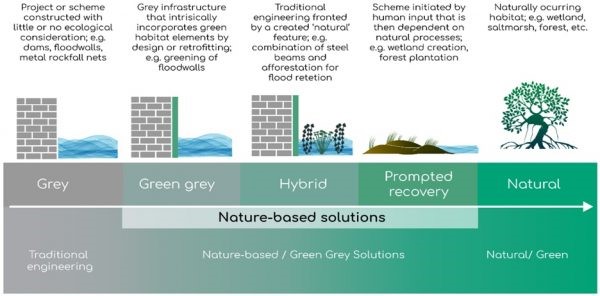
“Nature-based solutions provide the best means of supplying terrestrial options through the protection, restoration, and sustainable management of natural resources”, published in e-RED Magazine (June 2022).

In the midst of a critical time for Europe, and with the primary concern being energy, discussions were evolving around energy neutrality, changes in cities, and addressing climate change. Following the developments in European law and the need for a “Green transformation of cities” to comply with European standards, the implementation of nature-based solutions (NBS) appeared necessary, if not mandatory.

According to the United Nations Environment Programme and the Intergovernmental Panel on Climate Change (IPCC), clear scenarios for reducing emissions were outlined. To keep the global temperature rise close to the 1.5°C target set by the Paris Agreement, net-zero CO2 emissions must be achieved by 2050. These scenarios showed that, in addition to a massive and rapid decarbonization process, significant contributions from land-based options were required. Based on the above, it has been stated that nature-based solutions provided the best way to offer these land-based options through the protection, restoration, and sustainable management of natural resources.

Furthermore, the value and significance of nature should be better reflected in economic and political decisions, with a stronger integration between biodiversity, climate change, and the development agenda. It should be also noted that a possible failure to integrate these aspects could worsen climate change and other significant social challenges.

“Climate Change: Necessary nature – based solutions (NBS)” – “The necessity of Nature-Based Solutions in the Greek legal order” – The main fields of application for nature – based solutions so far are parks and urban forests as well as the “greening” of buildings, hosted in ECOPRESS.

The discussions between the authors revolved around the necessity of “green buildings” to tackle the energy crisis and the global move towards sustainability. “Greening” the building envelope, such as green roofs, green walls, and efficient heat management, could significantly

reduce energy demand for air conditioning (40-60%) and cool the surrounding streets by 0.03°C to 3°C. Further, green roofs could also manage water effectively, potentially retaining

up to 70% of stormwater runoff.

The authors further stated that while the installation and maintenance of green systems may

seem expensive initially, the life-cycle would cost over 40 years and was comparable to traditional “black” roofs. The initial cost was just 0.4% of the total construction cost for multi – storey residential buildings.

Following the above, some critical and legal considerations were developed, such as follows:

  • The national legislation needed to be aligned with the evolving European standards (L.4067/2012, Forest Legislation, Urban Parks Legislation, Local Urban Plans, and Special Urban Plans);
  • Specifications for parks, forests, and public spaces should be revised to incorporate Nature-based Solutions (NBS);
  • Incentives should be provided to the developmental sector for ecosystem protection;
  • Afforestation should be mandatory;
  • A comprehensive reforestation program should be implemented with systematic methods, timelines, and benefit analyses.

  • Furthermore, the authors continued that public support and awareness were crucial for the successful integration of NBS. In particular, initiatives like surveys, tree planting campaigns, and citizen participation in green space creation should have been promoted at the municipality and school levels. Consequently, such collective actions would foster a sense of community and shared responsibility towards the implementation of Nbs in public spaces.


“Building Identity or Engineering Certificate?”, hosted in ECOPRESS

Overview of the Electronic Building Identity

The Electronic Building Identity, established under Articles 52 to 62 of Law 4495/2017, aligned with the constitutional mandate for rational urban planning stated in Article 24 of the Constitution. It aimed to protect the natural and residential environment, ensure proper and legal arrangement of human activities in space, and enhance living conditions in urban areas. On top of that, the Council of State, in its decision 1858/2015, recognised the Electronic Building Identity as a preventive and deterrent mechanism against unauthorised construction.


Development of the Electronic Registry

The need for the Electronic Building Identity became evident due to the extent of unauthorised construction, revocation of building permits due to errors or lack of proper studies, and environmental damage observed over the last decades. In addition, the Ministerial Decision YPEN/DESEDP/7547/104 initiated the Electronic Registry for Building Identity, effective from February 1, 2021. From this date, property owners needed to draft an Electronic Building Identity for any property transfer. An exception was made for inspections done in January 2021 for the issuance of certificates under Article 83 of Law 4495/2017.


New Legislative Regulation by the Ministry of Environment and Energy

The new regulation, integrated into the law incorporating EU Directive 2018/2002, does not extend the deadline for drafting the Electronic Building Identity. Instead, it provided an alternative for citizens to transfer properties, including recent favourable regulations for parental grants. Citizens could either draft an Electronic Building Identity or follow the old process of attaching a mechanical engineer’s certification to the notarial deed. This new option was available until December 31, 2021.


Choosing Between Electronic Building Identity and Mechanical Engineer’s Certification

Property owners, often unfamiliar with urban planning legislation, might have found it challenging to understand the significance and rationale behind these regulations. While the mechanical engineer’s certification was a familiar and simple process, the Electronic Building Identity, introduced on February 1, 2021, was relatively new. However, it offered several benefits, such as property protection, one-time drafting, ease in future transfers, transparency in transactions, and reduced bureaucracy.


Electronic Building Identity Process

The legal framework for the Electronic Building Identity was detailed in the second chapter of Section B of Law 4495/2017. It applied to buildings or divided property ownership based on building permits, as well as buildings with unauthorised constructions but exempted from transfer prohibition. The declaration was made per building or divided property by an authorised engineer. Further, the system generated a unique Identity Number upon application submission, and the engineer issued a Certificate of Completeness, accessible through an electronic code for authenticity checks and reissuance.


Environmental and Property Protection

The Electronic Building Identity helped owners understand their property’s urban planning status, allowing them to rectify any irregularities and facilitating smoother property transfers. This measure aimed to control and record construction activities, ensuring legal security in property transactions and contributing to the reduction of unauthorised construction, a longstanding issue in Greece. It also safeguarded property rights and contributed to proper urban planning, as a state obligation under the Constitution (Article 24). Consequently, the Electronic Building Identity served as a certification of property ownership and a digital testament to its value for future generations.


In conclusion, the implementation of the Electronic Building Identity marked a significant step towards an integrated system for monitoring the built environment, promoting constitutional and societal objectives in urban planning, environmental protection, and property rights security.

“Not to miss the train on the European Green Deal”, hosted in ECOPRESS

The article discussed Greece’s progress and challenges regarding environmental sustainability, urban planning, and alignment with the European Green Deal (EGD). It acknowledged that while Greece was possessing theoretical knowledge in environmental and urban matters, its practical application and enforcement in construction and planning were lacking. An example of this shortfall was the millions of illegal buildings that severely impacted the need for re-planning and accurate recording of construction activities.

The article highlighted that initiatives to transform cities often led to exhaustive discussions,

conflicting views, ideological conflicts, and clashes of various interests (landowners, communities, engineers, the State, and institutions). Then, the article argued that consensus on basic environmental matters, such as deviations in unplanned construction, protection of public spaces, immediate application of electronic building identity, accessibility for all, and incentives for environmentally positive investments, were challenging to achieve.

With a particular mention to the near future, it was stated that Greece must regulate and cover many lacunae, including the delimitation of streams in the face of climate change, planning specifications, licensing times, abandoned buildings in cities, accessibility for all, and

codification of its legislation. Resolving these issues, although seemingly minor, was indicative

of addressing more complex matters. The article stated that if simple issues are not organised

promptly, Greece will risk missing the opportunity for significant and complex advancements.

In addition, it was stated that this risk was especially pertinent as most European countries have already embarked on the journey marked by bold reforms, with the final destination being the EGD, particularly the framework for climate-neutral energy cities.

The article then explored the European City Climate Contract (CCC) as a multi-level and co-creative process. This initiative, anticipated by the Mission Board for the EGD, can adapt to each city’s unique character while staying focused on the common goal of energy transition. The strategy and action plan, and the respective responsibilities of the stakeholders, would be determined ad hoc. It was stated also that the CCC was not intended as a legally binding document with a fixed action plan until 2030. Instead, the article emphasized high ambition, participatory approaches, and multi-level governance collaboration to spur innovation and climate neutrality. It was more of a politically binding document that remained open to suggestions and ongoing dynamic processing.

The article, then, provided the example of Sweden’s Klimat kontrakt 2030, a consolidated effort of the central government and nine cities. This long-term commitment, subject to annual review, was tailored to the unique characteristics of each city involved. The cities differ in size, geography, industry, and political governance. The Swedish CCC was the first in Europe and aimed to inspire upcoming responses to the EU’s challenge for climate- neutral cities within the EGD framework. Additionally, the nine cities involved are well-prepared to apply for EU funding and collaborate with European cities striving for a climate-neutral continent.

In conclusion, the article emphasised that Greece must be ready for the transition to sustainable cities, not just agreeing on wanting more greenery, better air, better health, and

sustainable cities, but also with a clear program, actions, and substantive interventions to achieve these goals.

“Principles of Environmental Law at delimiting streams – Law and Nature”, published in Nomos and Physis (Law and Nature).

This article offers an in-depth analysis of the legal principles governing the delimitation of streams in Greece, situating the discussion within the broader context of climate change, the

European Green Deal, and the evolving demands of national environmental law. The authors

highlight that, as climate-related risks intensify, adapting Greek legislation to better protect

human life and natural ecosystems becomes increasingly imperative.

A central focus of the study is the legal treatment of streams as protected natural ecosystems,

both under EU law and Greek constitutional and statutory provisions. Stream delimitation is

presented as a critical legal and technical process, essential for preventing harmful interventions and ensuring that any work near watercourses are planned on the basis of environmental impact assessments and sound hydrological data.

The article systematically sets out the key principles of environmental protection that guide stream delimitation and are consistently affirmed in the case law of the Council of State (ΣτΕ),

including:

  • Conservation of the Natural State of Streams – Streams must be preserved in their natural form, with boundaries and flood lines determined on the basis of geomorphology, historical flow patterns, and environmental data.
  • Recognition as natural ecosystems – Streams possess unique ecological functions and microclimates; any alteration of their character or use is constitutionally prohibited.
  • Protection of unimpeded natural function – Construction projects are permissible only when they safeguard the free flow and ecological integrity of the stream; only essential technical works are allowed.
  • Prohibition of changing their primary purpose – The role of streams in water runoff and ecological balance cannot be altered through administrative actions or development.
  • Principle of Sustainable Development – Stream delimitation must integrate long-term environmental protection with responsible planning, ensuring intergenerational equity.

Special attention is given to the non-fragmentary delimitation requirement, drawing on landmark ΣτΕ decisions such as the Podoniftis, Oleander Stream, and Great Stream of Rafina cases. These judgments affirm that delimitation is a mandatory precondition for zoning actions and environmental permitting. Where delimitation has not yet occurred, projects may proceed only if it is demonstrably ensured that they will not impair the stream’s natural function.

The article also explores the precautionary principle under EU law, stressing that authorities

must act proactively—even in the presence of scientific uncertainty—when a project may pose risks to a stream’s ecosystem.

Finally, the authors analyse the necessity of examining alternatives within Environmental Impact Assessments, reaffirming that judicial review focuses on the legality, completeness, and adequacy of the environmental evaluation supporting administrative decisions.

In conclusion, the article underscores the need for a holistic and scientifically grounded approach to stream delimitation—one that reconciles environmental protection with urban

planning demands. It highlights that safeguarding watercourses requires a rigorous legal framework, effective enforcement, and alignment with constitutional principles and EU environmental law, ensuring the ecological integrity of streams while enabling orderly and sustainable development.

“Tall Buildings, what kind of cities do we want?”, published in Legal Journal Environment & the Law.

The present article has been structured based on recent concerns raised regarding the issue of tall buildings near the Acropolis Monument. In particular, the article provided an in-depth

analysis of urban development, specifically focusing on the construction of high-rise buildings

and their impact on the urban environment. In addition, it emphasised the need for a balanced approach to urban planning, considering both the benefits and challenges of tall buildings.

Initiating with the historical context, the article shed light on pivotal moments in Greek urban

development, exemplified by the construction of iconic high-rise buildings like the Athens Tower in Ambelokipi region. Having been built in 1971, this 103-meter-tall structure with 28 floors stands as a testament to the early phases of vertical expansion in Greek cities.

Therefore, this historical perspective offers valuable insights into how Greece’s approach to tall buildings has evolved over time, reflecting broader shifts in architectural preferences and

urban planning strategies.

Regarding the legal and regulatory framework, the article provided an in-depth analysis of the laws and policies governing high-rise construction in Greece. It critically examined the effectiveness of these regulations in addressing contemporary urban challenges. This included scrutinizing how these laws have adapted over time to accommodate changing needs and priorities in urban development. In addition, the article underscored the importance of continually revising and updating legal frameworks to ensure they remain relevant and effective in guiding sustainable and balanced urban growth.

The article also looked at global best practices, drawing comparisons with countries like France. While the focus remained primarily on the Greek context, these international examples serve as benchmarks, offering valuable lessons and models that could inform Greece’s urban planning strategies. Furthermore, these comparisons are noted as crucial in understanding how Greece can align its urban development with internationally recognised standards and practices, especially in the realm of high-rise construction, such as local planning and construction strategies.

Overall, the article advocated for a balanced approach to urban planning, while it also emphasised the need for careful consideration of both the advantages and the challenges posed by high-rise buildings. It is true that this balance seemed critical in ensuring that the development of tall structures contributes positively to the urban fabric, enhancing the cityscape while respecting community needs and environmental considerations.

Nonetheless, the article concluded by presenting a comprehensive overview of high-rise building development in Greece, cross-referencing historical developments, legal frameworks, and global best practices. It then called for a nuanced approach to urban planning that harmonises architectural innovation with legal regulations and societal expectations, aiming for sustainable, functional, and aesthetically pleasing urban environments.

“Legislative changes in the field of issuing building permits”, published in Legal Journal Environment and the Law by Nomiki Vivliothiki.

The present article provided an in-depth analysis of the legal and regulatory framework governing the issuance of building permits in Greece, as well as focusing on recent legislative

developments and their impact on the construction sector.

Over the last decade, there have been continuous changes in the provisions on the way building permits are issued and in those of the building regulation. In the same period, there have been significant changes in the legal framework on issues related, for example, to the electronic procedure for issuing building permits or the institution of building inspectors, but also many smaller interventions in an effort to reduce bureaucracy, strengthen enforcement and reduce the time required for the issuance of the permit.

The article provided for key developments and impacts, namely it started with a brief historical review of the Greek State and continued with a list of the most important pieces of

legislation in order to understand the needs for legislation, the general philosophy of the legislative framework for the way of issuing permits and the new needs arising from the evolution of law and modern institutional tools (cadastre, forest maps, electronic databases,

digitisation of plans and diagrams, etc.), as follows:

Transfer of Authority (Law 4030/2011): This law transferred the responsibility of issuing building permits to the Building Services of the Municipalities. It also established independent

Building Inspectors, separate from Building Services, to oversee the correct execution of permits. The law introduced the option for electronic submission of all necessary documents and studies, aiming to streamline the process.

Streamlining Procedures (Law 4495/2017): This law focused on minimizing the time required

for issuing building permits, simplifying procedures, combating corruption, and attracting investors. It mandated an exclusively electronic process for the submission, review, and granting of building permits and approvals. The law also introduced the concept of pre-approval for building permits, either as an optional or mandatory step depending on specific cases.

Creation of Regional Collective Bodies: In order to ease the workload of existing services and

to provide a platform for examining appeals, it was mentioned that regional collective bodies

with distinct responsibilities were established. This development aimed at efficient service provision to citizens and also addressing the backlog of cases in a timely manner.

Challenges and Unmet Goals (Law 4759/2020): Despite the ambitious goals set by Law 4495/2017 and partially by Law 4030/2011, especially regarding the duration of the licensing

process, these objectives were not fully achieved. Ten years after Law 4030/2011, there was

still a search for more effective solutions.


The legislative changes in Greece’s building permit process over the last decade represented

significant efforts to modernise and streamline the system. While laws like 4030/2011 and 4495/2017 introduced crucial reforms such as electronic submission and independent building inspectors, challenges remained in achieving the desired efficiency. The introduction of Law 4759/2020 acknowledged these challenges, indicating a continuous effort to optimize the building permit system in Greece. Nonetheless, the article illustrated that the ongoing legislative evolution highlights the complexity of balancing efficient service delivery with regulatory compliance and corruption prevention in the construction sector.