
01 Decision 2022
«BLUE IRIS» Decision
2022
ΠΕΡΙΛΗΨΗ
Application before the Council of State seeking the annulment of a Presidential Decree approving a Special Spatial Development Plan for Strategic Investments (ESCHASE) on the island of Mykonos. Article 24 of the Greek Constitution. Sensitive island ecosystems constitute an important component of the natural environment and require careful management and respect for their carrying capacity.
The regulatory framework governing Strategic Investments, through the Strategic Environmental Assessment (SEA) process — which is carried out during the environmental permitting stage and submitted to public consultation — ensures environmental protection as a preliminary stage of planning. Subject to certain conditions, deviations from the provisions of a Zone of Urban Control (ZOE) may be permitted.
The ZOE applicable to Mykonos had become outdated, while more recent urban planning legislation had subsequently been enacted. The planning criteria and environmental impacts, in conjunction with all relevant elements of the institutional and regulatory framework, were assessed by the Administration through specifically reasoned findings. The Court rejected the application.
- Commentary on Council of State Decision ● No. 2564/2022
- Government Gazette D΄ ● 304/10.06.2020
- Location ● Mykonos
No. 2564/2022
Commentary on Council of State Decision
5★
five-star hotel complex with ancillary facilities
SEIS
Strategic Environmental Impact Study
I. Background of the Case
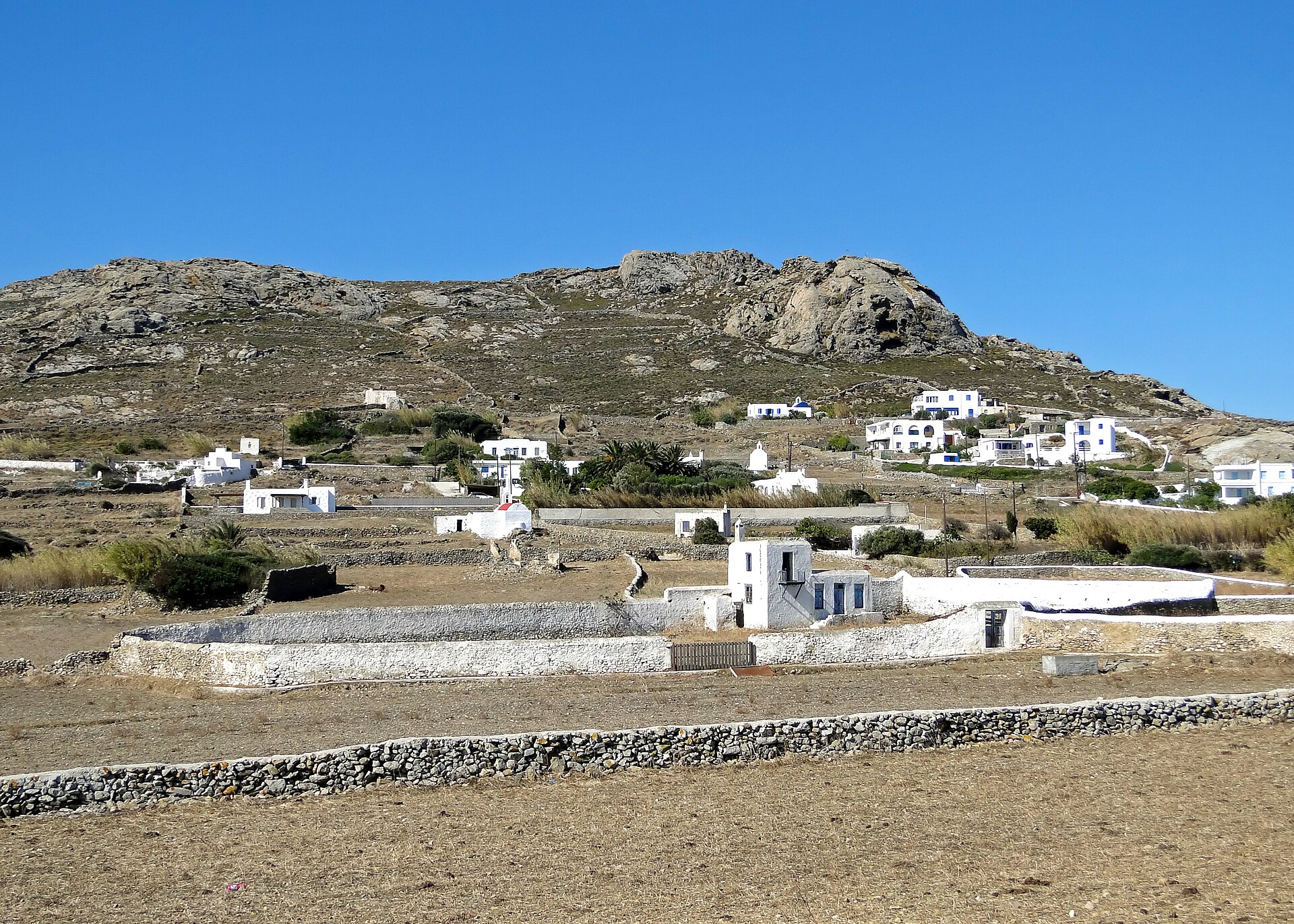
The case concerned an application for annulment filed by the Municipality of Mykonos against the Presidential Decree approving the Special Spatial Development Plan for Strategic Investments (ESCHASE) entitled “Tourism Development in Mykonos”, located in the “Karapetis” area of the Ano Mera Municipal Community, Municipality of Mykonos, Region of South Aegean (Government Gazette D΄ 304/10.06.2020).
In summary, the investment proposal included the development of a model five-star hotel complex with ancillary facilities (sports facilities, wellness centre, etc.), as well as the construction of a tourist marina/shelter for recreational vessels. Following the inclusion of the investment proposal within the Strategic Investments regime pursuant to Decision No. 38/8.05.2019 of the Interministerial Committee for Strategic Investments (ICSI) (Government Gazette B΄ 1624), the Strategic Environmental Impact Study (SEIS) of the project was submitted to public consultation and the relevant Presidential Decree was subsequently issued and published in the Government Gazette (D΄ 304/10.06.2020). Thereafter, the Municipality of Mykonos filed an application for annulment against the aforementioned Presidential Decree.
II. ESCHASE as an Instrument of Sustainable Investment
The Council of State initially emphasized that:
- The approval of an ESCHASE enables the planning of a private investment project intended to host activities of strategic importance and scale, following prior assessment of the qualitative and quantitative characteristics of the proposed investment in relation to the specific property concerned.
- The spatial and urban planning nature of ESCHASE planning instruments serves the objectives of spatial planning frameworks by allowing the organized development of activities within planned areas, as opposed to uncontrolled, fragmented, and consequently dispersed out-of-plan development.
- Such planning instruments establish the general rules governing the urban organization of the area under development and constitute the basis for the subsequent implementation of the investment projects.
- Through the legally required Strategic Environmental Assessment (SEA) procedure, environmental approval is achieved by incorporating environmental protection criteria, which are binding upon the subsequent stage of environmental permitting for the individual projects to be implemented within the area concerned.
The Court concluded that ESCHASE plans, as instruments falling within the level of urban planning — at the same level as Local Urban Plans (LUPs) — constitute:
- a form of development-oriented urban planning;
and
- b) a product of systematic scientific and technical substantiation, safeguarded through the SEA procedure and public consultation with the competent authorities and the public.
III. Compatibility with Spatial Planning Frameworks
With regard to the ground for annulment alleging that the contested Presidential Decree was contrary to the directions of the Regional Spatial Planning and Sustainable Development Framework for the South Aegean Region (Government Gazette B΄ 1487/10.10.2003), the Court held that the spatial planning and zoning of the tourism development within the wider area of interest were adequate, given that due consideration had been given to the guidelines and proposals of the Regional Framework, as well as to the provisions of the subsequently adopted Zone of Urban Control (ZOE), which had itself taken into account the tourism-related directions of the said Framework — pursuant to which the area was, in principle, considered suitable for tourism development activities.
Furthermore, regarding the allegation that the applicable Regional Framework imposed restrictions on the establishment of new hotel units, the Court clarified that such objective concerned isolated out-of-plan tourism activities and not organized tourism developments implemented through an “organized development mechanism”, as was the case here through the ESCHASE instrument.
IV. Amendments to Local Urban Planning Schemes
Due to the special and exclusive legal regime governing ESCHASE plans, pursuant to Article 12(4) of Law 3986/2011, as made applicable by Article 24(2) of Law 3894/2010, local urban planning schemes (in this case, the Mykonos Zone of Urban Control – ZOE) may be amended through an ESCHASE, where such amendment is deemed necessary — particularly in cases where the existing regulations are outdated, unclear, or the product of insufficient spatial and urban planning.
This possibility is subject to the condition that, when introducing such amendments, the general directions of the applicable Planning Frameworks and Zoning instruments are duly taken into consideration, so as not to undermine:
- a) the spatial planning framework applicable to the investment area;
- b) the general urban planning structure and organization established under the existing planning schemes; and
- c) urban planning or other measures intended to restrict development pressures, as provided under the relevant planning instruments.
V. The Carrying Capacity of the Island and the SEA Procedure
The Court held that the planning criteria examined within the framework of the Strategic Environmental Assessment (SEA) had been assessed by the Administration in conjunction with all relevant elements of the institutional and regulatory framework (including water protection, waste management, etc.), as well as the favorable opinions issued by the competent authorities. Consequently, the necessary environmental terms and guidelines were imposed, to be further specified through the issuance of subsequent administrative acts during the following stage of the implementation of the investment project.
With regard to carrying capacity, the Court clarified that, at the level of the South Aegean Region, such capacity had not been exhausted, nor did the applicable spatial planning framework indicate that tourism development was necessarily restricted or prohibited. Furthermore, the SEA relating to the contested Presidential Decree had scientifically assessed the carrying capacity of Mykonos in relation to urban planning and tourism pressures, as well as urban expansion, both at island level and within the intervention area, on the basis of the applicable legal framework and in the absence of more specific institutional specifications, concluding that the relevant thresholds had not been exceeded — an assessment which was not contested by the Administration.
VI. Conclusion
In rejecting the application for annulment, the Council of State held that ESCHASE plans, as lawfully organized areas for tourism activities and as instruments of urban planning:
- a) serve the objectives of spatial planning frameworks (General, Special, and Regional) by facilitating the organized establishment of productive activities within areas subject to planning, as opposed to uncontrolled, fragmented, and dispersed out-of-plan development — in this case, tourism activities; and
- b) constitute the product of systematic scientific and technical substantiation, given that their approval is based upon a series of scientific studies assessed by the Administration, particularly in relation to the environmental impacts of the proposed investment project.
02 Innovation in urban planning · 2023
“ALLATINI Ceramics” Presidential
The “ALLATINI” case (as approved by Presidential Decree, see Government Gazette D΄ 734) concerned the approval by the Council of State of a Presidential Decree for the redevelopment of the “ALLATINI Ceramics” area within the Municipality of Thessaloniki.
- Government Gazette D΄ ●734
- Location ● Municipality of Thessaloniki
- Character ● Innovation in urban planning
2023
Overview of the Case
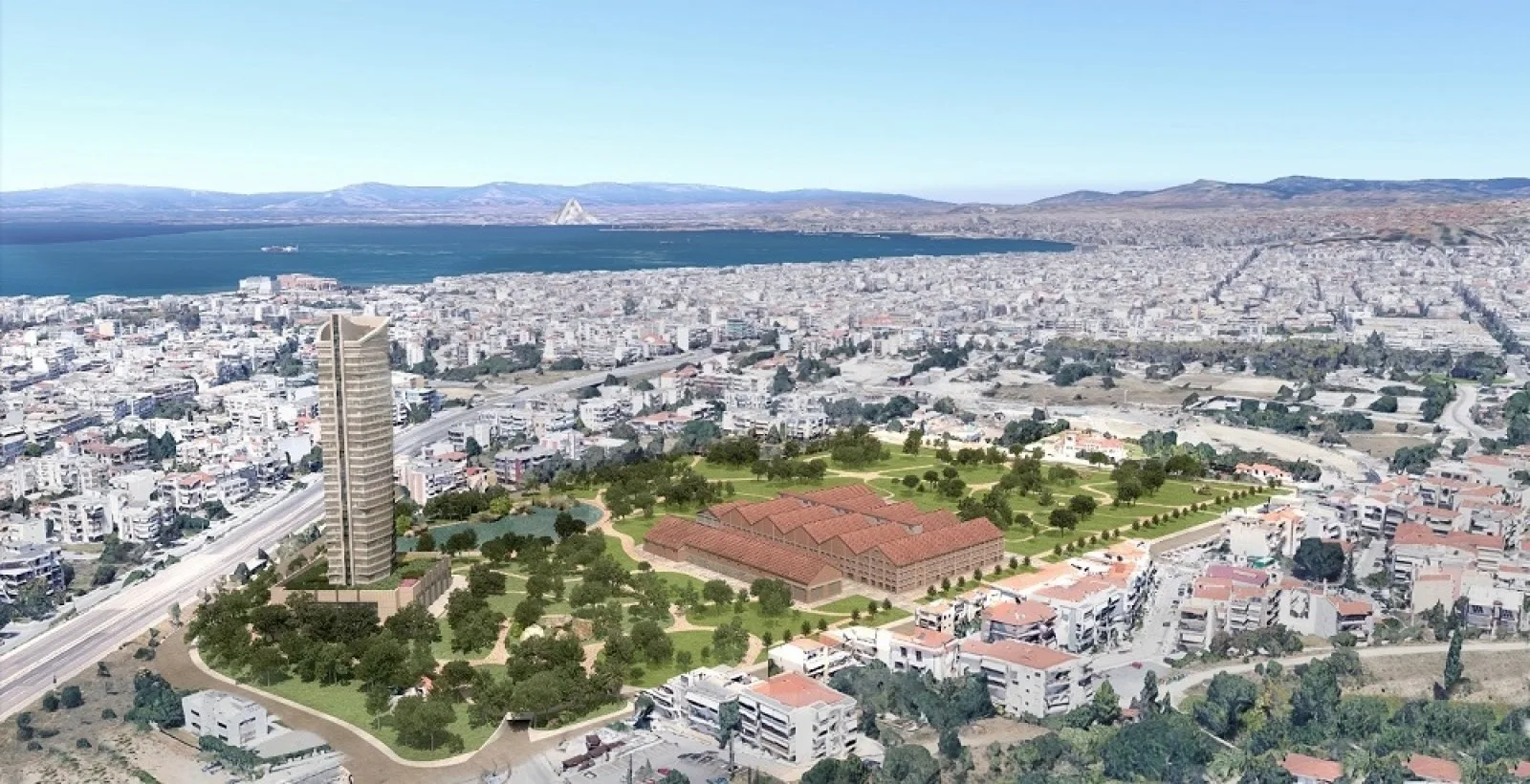
The “ALLATINI” case (as approved by Presidential Decree, see Government Gazette D΄ 734) concerned the approval by the Council of State of a Presidential Decree for the redevelopment of the “ALLATINI Ceramics” area within the Municipality of Thessaloniki.
This case is of particular significance for several reasons:
Innovation in urban planning: For the first time in Greece — with the exception of the “Hellinikon” project — the development incorporated the approval of three stages of urban planning (Special Urban Plan, Implementation Plan, and Implementation Act) within a single Presidential Decree.
Efficiency and speed of the approval process: The entire procedure, from public consultation to the issuance and approval of the Presidential Decree, was completed in less than one year.
Emphasis on cultural heritage protection: The development plan placed particular emphasis on safeguarding the cultural heritage of the “ALLATINI Ceramics” monuments, including, inter alia, the construction of a 100-metre landmark building.
3 stages
of urban planning
< 1 year
was complete
100 m.
landmark building.
Innovation of the Project and Establishment of a Precedent
The ALLATINI project establishes an important precedent in Greek urban planning practice, as it incorporates multiple stages of planning within a single Presidential Decree, thereby demonstrating efficiency and innovation in administrative procedures.
Furthermore, this approach differs from the more fragmented procedure observed in the BLUE IRIS case.
Environmental and Cultural Heritage Considerations
As in the BLUE IRIS decision, the ALLATINI project demonstrates an effort to strike a balance between development objectives and the protection of the environment and cultural heritage.
In particular, the development includes the creation of an urban green park, as well as the construction of a landmark high-rise building, designed to upgrade the wider area and safeguard the monument site.
Within this context, specialized legal and technical substantiation was prepared in relation to the high-rise building, highlighting the project’s commitment to respecting the historical and cultural significance of the area.
Strategic Environmental Assessment (SEA)
Similarly to the BLUE IRIS case, the ALLATINI project was subject to a Strategic Environmental Assessment (SEA) procedure, ensuring that the environmental impacts were properly assessed and addressed.
This reflects a consistent trend within Greek urban planning practice towards environmental sustainability.
Urban Development and Public Benefit
Finally, the “ALLATINI” project seeks to introduce a metropolitan character to the wider area, in a manner comparable to the objectives pursued in the BLUE IRIS case, where urban planning instruments were utilized for the organization and upgrading of tourism activities.
III. Conclusion
Consequently, the “ALLATINI” case constitutes an important milestone in urban planning practice in Greece, as it highlights efficiency, innovation, and a balanced approach between development and environmental protection.
At the same time, it reflects the continuously evolving reality of urban development in Greece, placing particular emphasis on the integration of cultural heritage protection and environmental considerations into contemporary urban planning projects.
03 Climate · 2022–2023
The Pivotal Role of DTK Law Firm in Advancing the City Climate Contract (CCC) Initiative of the Municipality of Ioannina
The candidacy of the city of Ioannina within the European Programme “100 Climate-Neutral Cities” was successful, as in 2022 the European Commission selected the cities of Ioannina, Athens, Thessaloniki, Kalamata, Kozani, and Trikala to participate in the EU Mission “Climate-Neutral and Smart Cities”.
- Programm ● Innovation in urban planning
- Location ● City of Ioannina
- Submission CCC ● September 2023
2023
THE PROJECT
DTK Law Firm, in collaboration with the Department of Architecture of the University of Patras and distinguished academics, actively participated in the preparation of the candidacy dossier. The proposal examined, inter alia, comparative legal examples of Climate Agreements and Memoranda of Understanding from other European jurisdictions, involving neighboring municipalities, institutional stakeholders, organizations, and civil society actors.
Ioannina is among the six Greek cities expected to undergo substantial and transformative change in the coming years, operating as a pilot project.
The selected cities will gain international visibility, acquire the opportunity to redefine their identity through city re-branding, and function as model transformation hubs for innovation, adopting new forms of governance and developing a new economic model for climate action.
At both European and national level, the market is expected to shift towards climate-friendly investments, while holistic urban planning solutions, smart technologies, and urban modelling tools will be promoted. This initiative constitutes a unique opportunity capable of securing additional European funding resources, strengthening sustainable development, and contributing to the regeneration of Ioannina and the establishment of a strong city identity aligned with its European future.
100
Climate-Neutral and Smart Cities by 2030
6
Greek cities expected to undergo substantial and transformative change in the coming years, operating as a pilot project
09/2023
Submission of the City Climate Contract (CCC)

Central Role in Project Planning and Management
Throughout 2023, DTK Law Firm played a pivotal role in supporting the Municipality of Ioannina in the preparation and submission of the requirements list for the City Climate Contract (CCC). The Firm undertook the overall project management and coordinated a multidisciplinary team of experts consisting of lawyers, engineers, urban planners, architects, and economists. This collaborative approach proved critical for the drafting and development of the Municipality’s CCC.
Ensuring Compliance with the Applicable Regulatory Framework
DTK Law Firm ensured that the actions and measures envisaged under the CCC were aligned with the applicable international, European Union, and national legal frameworks. In this context, specialized legal research was conducted in order to identify potential legislative and regulatory gaps, while targeted proposals were formulated to address them, thereby ensuring the full legal compliance of the project.
Selection of the Municipality of Ioannina and Participation in the European Commission Mission
The Municipality of Ioannina was selected by the European Commission within the framework of the initiative “100 Climate-Neutral and Smart Cities by 2030”. With the legal and strategic management support of DTK Law Firm, the Municipality proceeded with the preparation of the City Climate Contract, which is currently under evaluation by the European Commission.
Participation in an International Conference and Strategic Development
The project team, under the coordination of DTK Law Firm, participated in the “Climate-Neutral and Smart Cities 2023” Conference in Brussels, where it presented a detailed proposal and roadmap for the transition of Ioannina towards climate neutrality. This participation enabled the establishment of important contacts with European Commission officials and specialised professionals in the sector.
Submission of the City Climate Contract (CCC)
The City Climate Contract, managed and coordinated by DTK Law Firm, was submitted in September 2023. This comprehensive strategic plan included an Action Plan, an Investment Plan, and commitments from both the public and private sectors aimed at supporting the sustainable transformation of the city.
Conclusion
Overall, the successful progress of the city of Ioannina highlights the pivotal role of DTK Law Firm in guiding and managing the efforts of the Municipality of Ioannina towards the preparation and implementation of a strategic and legally substantiated Climate Contract, fully aligned with the city’s sustainability objectives and the broader European climate initiatives.
04 Strategic Investment · 2025
Strategic Investment – Approval by the Council of State & Issuance of Presidential Decree – 2025
The issuance of the Presidential Decree for the “COSTA NOPIA” Strategic Investment (Government Gazette D΄ 439/25.06.2025) marks the official approval of a €300 million investment in the tourism and holiday residence sector by LEPTOS ESTATES, within the Municipality of Platanias, Chania.
- Government Gazette D΄ ● 439/25.06.2025
- Investment ● LEPTOS ESTATES
- Location ● Municipality of Platanias, Chania
- Support DTK ●2010–2025
2025
THE PROJECT
DTK Law Firm provided long-term legal support and project coordination, from the preliminary planning stage (2010) through the environmental permitting process and the final issuance of the Presidential Decree, ensuring full compliance with environmental, spatial planning, and urban planning legislation.
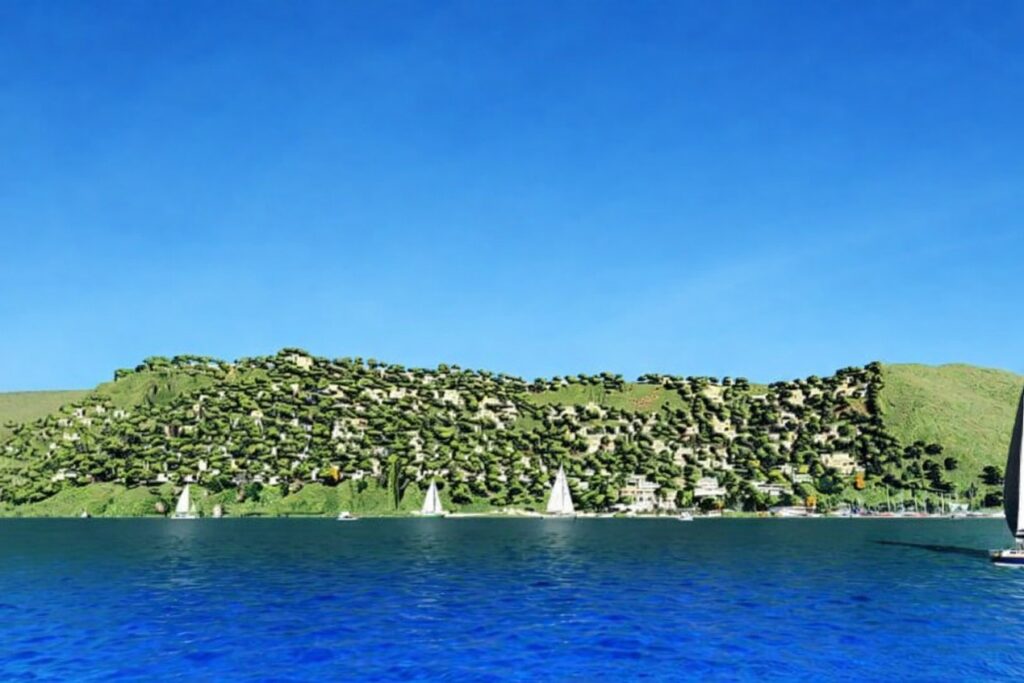
The project, organized into three (3) development zones with a total surface area of 1,130,432.76 sq.m., includes luxury hotel facilities, holiday residences, extensive green areas, coastal and hiking routes, as well as innovative agricultural installations. The project design reflects full alignment with the applicable regulatory framework and incorporates contemporary sustainability tools and principles.
€300 million
investment in the tourism and holiday residence
1.130.433 sq.m.
total surface area
15 years
legal support & coordination by DTK (2010–2025)
Social Exchange Theory (Local Acceptance)
The development is founded upon the principle of mutual benefit and the establishment of trust-based relationships with the local community, recognizing that long-term social acceptance constitutes a necessary prerequisite for the successful implementation of strategic investments.
Double Materiality Assessment (Holistic Strategic Planning)
Strategic choices were assessed both in terms of the project’s impact on the local social and environmental context and in relation to the manner in which external developments may affect the project itself. In this way, COSTA NOPIA is designed to operate as a catalyst for the economic and environmental upgrading of the wider area.
Priority to Public-Interest Infrastructure & Carrying Capacity
Priority was given to public-interest infrastructure and shared-use facilities in order to ensure the functional integration of the project within the wider spatial unit. At the same time, the systematic monitoring of environmental carrying capacity guarantees ecological protection and the long-term sustainability of the development.
Findings of the Council of State
In the course of its legality review, the Council of State confirmed:
the superiority of the Special Spatial Development Plan for Strategic Investments (ESCHASE) mechanism over alternative spatial planning tools (such as PERPO schemes and fragmented out-of-plan development), as it provides stronger guarantees in terms of environmental protection and planning coherence;
the compatibility of the project with the Regional Spatial Planning Framework of Crete, which supports the development of high-quality and thematic tourism;
the legally sound delineation of stream boundaries (riparian zones), ensuring full compliance with environmental legislation and the protection of natural ecosystems.
Long-Term Vision for Sustainable Development
The project reflects an intergenerational approach to development:
- a previous generation laid the foundations by safeguarding the land and respecting spatial planning principles and regulations;
- a younger generation is now implementing a fully lawful project, embedded within the principles of sustainability and environmental responsibility.
Finally, local and regional authorities issued unanimous favorable opinions, while timely consultation with the competent authorities contributed to the prompt resolution of critical issues and the adoption of best regulatory practices.